


Global Regulatory & Policy Briefing
Crypto & DeFi
- Kalshi loses appeal, setting up potential Supreme Court case
 by Cointelegraph by Michael Millard on September 26, 2026 at 1:21 pm
The 6th US Circuit Court of Appeals ruled against prediction market Kalshi, siding with Ohio and Tennessee on regulating sports-event contracts under state laws.
- SEC Commissioner Hester Peirce to leave post on Oct. 2by Cointelegraph by Michael Millard on September 26, 2026 at 9:02 am
Peirce, known as “Crypto Mom,” served on the SEC for about eight years, including as director of the Crypto Task Force.
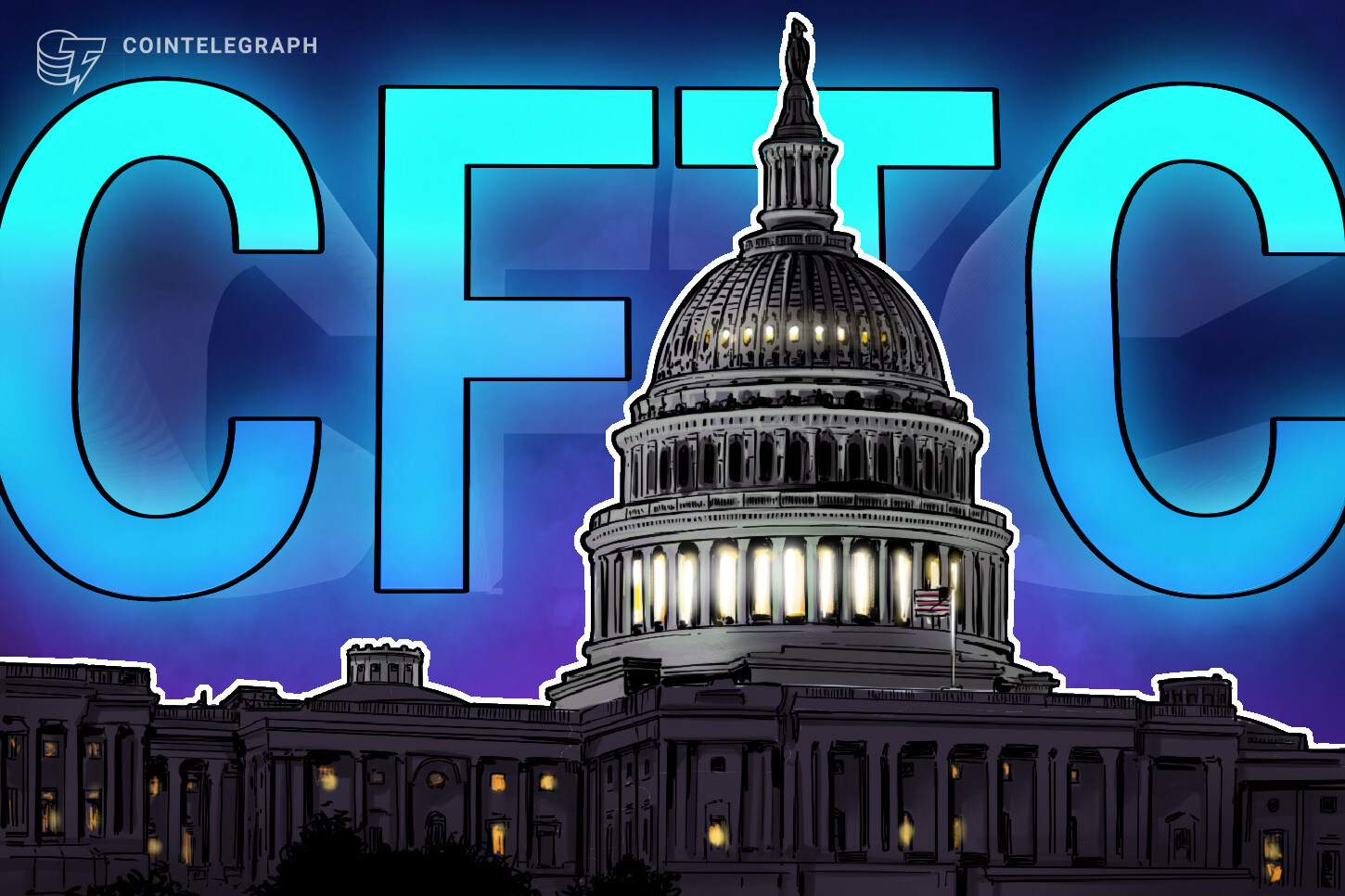
- CFTC sues Cash FX, alleges $950M crypto-linked forex schemeby Cointelegraph by Michael Millard on September 26, 2026 at 6:59 am
The CFTC claimed that Cash FX engaged in minimal forex trading and misappropriated most of the participant funds.
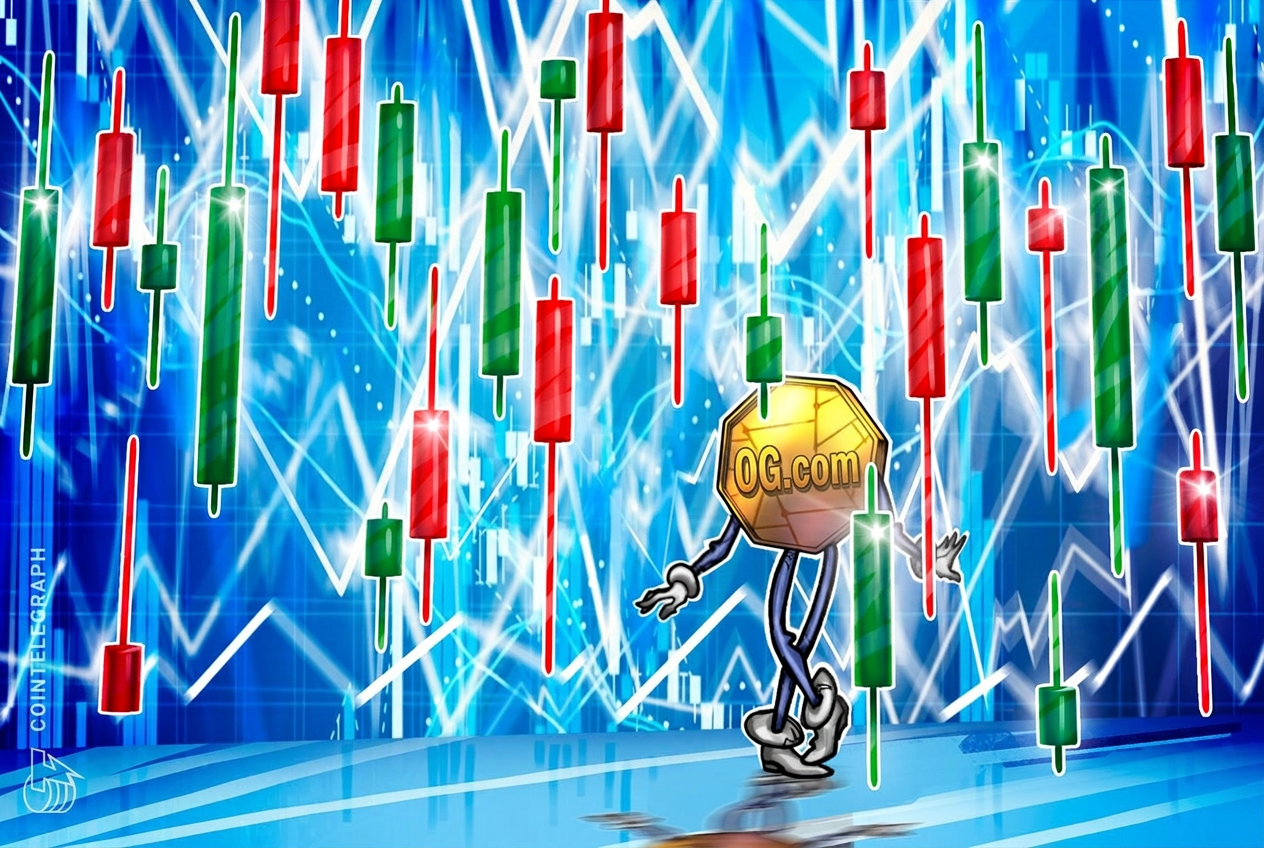
- OG.com seeks CFTC approval for single-stock perpetual futuresby Cointelegraph by Nate Kostar on September 25, 2026 at 8:37 pm
OG.com, recently spun out of Crypto.com, joins Coinbase, Kalshi and Kraken parent Payward in seeking approval to bring perpetual futures to individual US stocks.
- Ex-CFTC leader to leave Blockchain Association after CLARITY vote failsby Cointelegraph by Turner Wright on September 25, 2026 at 8:26 pm
Former CFTC Commissioner Summer Mersinger joined the Blockchain Association in 2025 after resigning during her second term at the federal commodities regulator.


AI Governance
- Exotech Advances SOC AI for Autonomous and Sovereign Security Operations in Saudi Arabia - EIN Presswireon September 26, 2026 at 4:37 pm
Exotech Advances SOC AI for Autonomous and Sovereign Security Operations in Saudi Arabia EIN Presswire
- The AI safety debate is confusing. Here's our guide to the different factions - NPRon September 26, 2026 at 9:00 am
The AI safety debate is confusing. Here's our guide to the different factions NPR
- AI-generated video summaries can reshape people's memories of events - news-medical.neton September 26, 2026 at 2:38 am
AI-generated video summaries can reshape people's memories of events news-medical.net
- AeU Brings AI, Ethics And Leadership To Forefront At Intelligent Age Summit - bernamaon September 26, 2026 at 1:20 am
AeU Brings AI, Ethics And Leadership To Forefront At Intelligent Age Summit bernama
- Through earning a Lilly fellowship, Master of Science in AI grad clears a path for influencing technology ethics - Purdue Universityon September 25, 2026 at 11:36 pm
Through earning a Lilly fellowship, Master of Science in AI grad clears a path for influencing technology ethics Purdue University

Quantum Security
- Ultrathin materials could make quantum light circuits programmableon September 25, 2026 at 7:40 pm
Quantum photonics could be a pivotal part of future quantum technology if the right materials can be created, a new review paper has found.
- Spin rephasing helps quantum memories store single-photon states longer for future networkson September 25, 2026 at 5:10 pm
We are continuously sending information to each other, transmitting zeros and ones through a giant network of connected computers and devices. Scientists are now trying to extend this familiar concept of the internet to the quantum realm, looking for an efficient way to exchange quantum rather than classical information: qubits instead of bits. The motivation is not just scientific curiosity. Qubits can be a 0, a 1 or any superposition of the two. They can also become entangled, showing a degree of correlation that is out of reach for classical bits.
- Rare quantum state reveals particles with quarter-electron chargeon September 25, 2026 at 1:00 pm
An electron's charge is normally fixed, like a coin you can't break into pieces. But if electrons are cooled close to absolute zero and trapped in a two-dimensional layer under a powerful magnetic field, they organize into a collective state of "quasiparticles" that seem to hold only a fraction of an electron's charge.
- Random access quantum memory lets one processor select among seven storage cellson September 25, 2026 at 12:00 pm
Classical computers can temporarily store the information required to perform specific tasks in a short-term memory component known as RAM (random access memory). This component allows computer processors to retrieve information from a chosen location without searching through all stored data.
- Cosmic lockdown: How the environment can isolate quantum fieldson September 25, 2026 at 4:00 am
A simplified cosmological model suggests that decoherence can suppress quantum tunneling, effectively locking fields into the vacuum state they have reached.


